叶国治文库THE YE GUOZHI ARCHIVE
菜单 / Menu
FAMILY MEMORY & VOICES

家属记忆

这里不是叶国治的原文。这里保存他的文字在家人记忆中激起的回声: 照片、共同经历,以及后来才明白的事情。

This is not Ye Guozhi's original writing. It is a separately attributed layer of family memory, photographs, and reflection.

资料层说明 · PROVENANCE所有内容均独立署名,不计入叶国治作品,也不改动他的中文原文。
FAMILY VOICES

家属文字

这里保存由叶国治家属独立署名发表的文字。作者身份、原始题名与发表记录均单独标示; 这些文字提供家庭与时代背景,但不计入叶国治作品。

Published writing by members of Ye Guozhi's family is preserved here with separate authorship, titles, and publication records. These works provide family and historical context but are never counted among Ye Guozhi's writings.

FAMILY VOICE · PUBLISHED WORK

小时候,在缅北过年

Celebrating New Year in Northern Burma as a Child
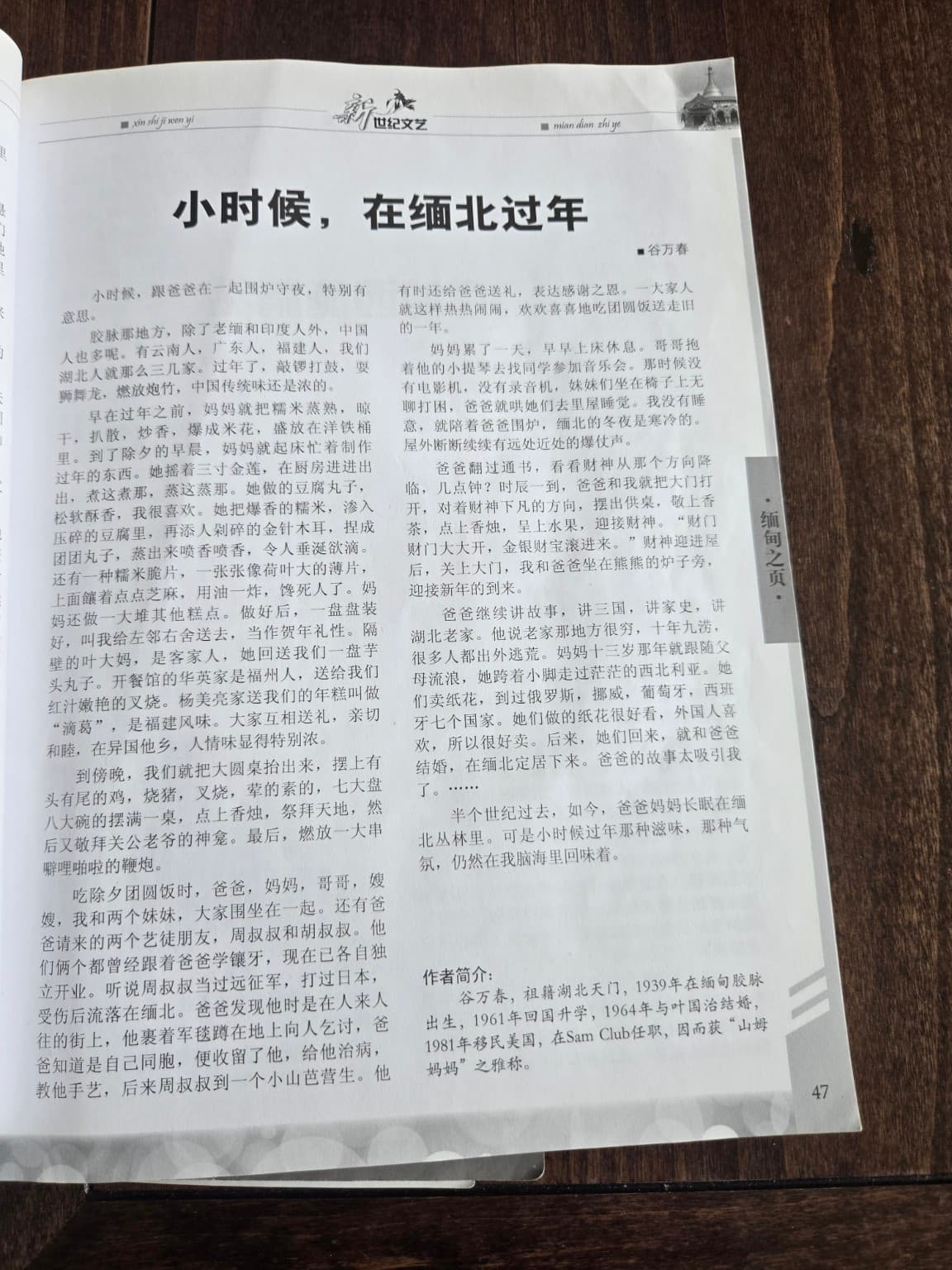
Printed page 47 of Gu Wanchun’s essay Celebrating New Year in Northern Burma as a Child in New Century Literature issue 7
家属保存的纸本原页:《新世纪文艺》第七期“缅甸之页”第47页,署名谷万春。Family-held printed page from New Century Literature, issue 7, page 47, credited to Gu Wanchun.
ARCHIVAL CONTEXT · ENGLISH

Gu Wanchun recalls Lunar New Year in Kyaukme, northern Burma: foods prepared by her mother, gifts exchanged among Chinese neighbors, the family reunion meal, and a New Year’s Eve vigil beside her father as he told stories of China and the family’s migrations.

This work is authored by Gu Wanchun. It is a family-context source and must not be attributed to Ye Guozhi or counted in his canonical corpus.

档案说明 · CHINESE

本文由谷万春独立署名,不属于叶国治作品。中文转录依据家属保存的纸本原页,并与美国南加州缅华网保存的网络版本核对。纸本题名为《小时候,在缅北过年》;网络转载题名为《忆童年在缅北过年》,两种题名均按来源保留。

纸本作者简介:谷万春,祖籍湖北天门,1939年在缅甸胶脉出生,1961年回国升学,1964年与叶国治结婚,1981年移民美国,在Sam Club任职,因而获“山姆妈妈”之雅称。

中文原文 · ORIGINAL CHINESE

小时候,跟爸爸在一起围炉守夜,特别有意思。

胶脉那地方,除了老缅和印度人外,中国人也多呢。有云南人,广东人,福建人,我们湖北人就那么三几家。过年了,敲锣打鼓,耍狮舞龙,燃放炮竹,中国传统味还是浓的。

早在过年之前,妈妈就把糯米蒸熟,晾干,扒散,炒香,爆成米花,盛放在洋铁桶里。到了除夕的早晨,妈妈就起床忙着制作过年的东西。她摇着三寸金莲,在厨房进进出出,煮这煮那,蒸这蒸那。她做的豆腐丸子,松软酥香,我很喜欢。她把爆香的糯米,渗入压碎的豆腐里,再添入剁碎的金针木耳,捏成团团丸子,蒸出来喷香喷香,令人垂涎欲滴。还有一种糯米脆片,一张张像荷叶大的薄片,上面镶着点点芝麻,用油一炸,馋死人了。妈妈还做一大堆其他糕点。做好后,一盘盘装好,叫我给左邻右舍送去,当作贺年礼物。隔壁的叶大妈,是客家人,她回送我们一盘芋头丸子。开餐馆的华英家是福州人,送给我们红汁嫩艳的叉烧。杨美亮家送我们的年糕叫做“滴葛”,是福建风味。大家互相送礼,亲切和睦,在异国他乡,人情味显得特别浓。

到傍晚,我们就把大圆桌抬出来,摆上有头有尾的鸡,烧猪,叉烧,荤的素的,七大盘八大碗的摆满一桌,点上香烛,祭拜天地,然后又敬拜关公老爷的神龛。最后,燃放一大串噼哩啪啦的鞭炮。

吃除夕团圆饭时,爸爸,妈妈,哥哥,嫂嫂,我和两个妹妹,大家围坐在一起。还有爸爸请来的两个艺徒朋友,周叔叔和胡叔叔。他们俩都曾经跟着爸爸学镶牙,现在已各自独立开业。听说周叔叔当过远征军,打过日本,受伤后流落在缅北。爸爸发现他时是在人来人往的街上,他裹着军毯蹲在地上向人乞讨,爸爸知道是自己同胞,便收留了他,给他治病,教他手艺,后来周叔叔到一个小山芭营生。他有时还给爸爸送礼,表达感谢之恩。一大家人就这样热热闹闹,欢欢喜喜地吃团圆饭送走旧的一年。

妈妈累了一天,早早上床休息。哥哥抱着他的小提琴去找同学参加音乐会。那时候没有电影机,没有录音机,妹妹们坐在椅子上无聊打困,爸爸就哄她们去里屋睡觉。我没有睡意,就陪着爸爸围炉,缅北的冬夜是寒冷的。屋外断断续续有远处近处的爆仗声。

爸爸翻过通书,看看财神从那个方向降临,几点钟?时辰一到,爸爸和我就把大门打开,对着财神下凡的方向,摆出供桌,敬上香茶,点上香烛,呈上水果,迎接财神。“财门大大开,金银财宝滚进来。”财神迎进屋后,关上大门,我和爸爸坐在熊熊的炉子旁,迎接新年的到来。

爸爸继续讲故事,讲三国,讲家史,讲湖北老家。他说老家那地方很穷,十年九涝,很多人都出外逃荒。妈妈十三岁那年就跟随父母流浪,她跨着小脚走过茫茫的西北利亚。她们卖纸花,到过俄罗斯,挪威,葡萄牙,西班牙七个国家。她们做的纸花很好看,外国人喜欢,所以很好卖。后来,她们回来,就和爸爸结婚,在缅北定居下来。爸爸的故事太吸引我了……

半个世纪过去,如今,爸爸妈妈长眠在缅北丛林里。可是小时候过年那种滋味,那种气氛,仍然在我脑海里回味着。
FAMILY NOTE 01

现在,我知道为什么

Now I Know Why

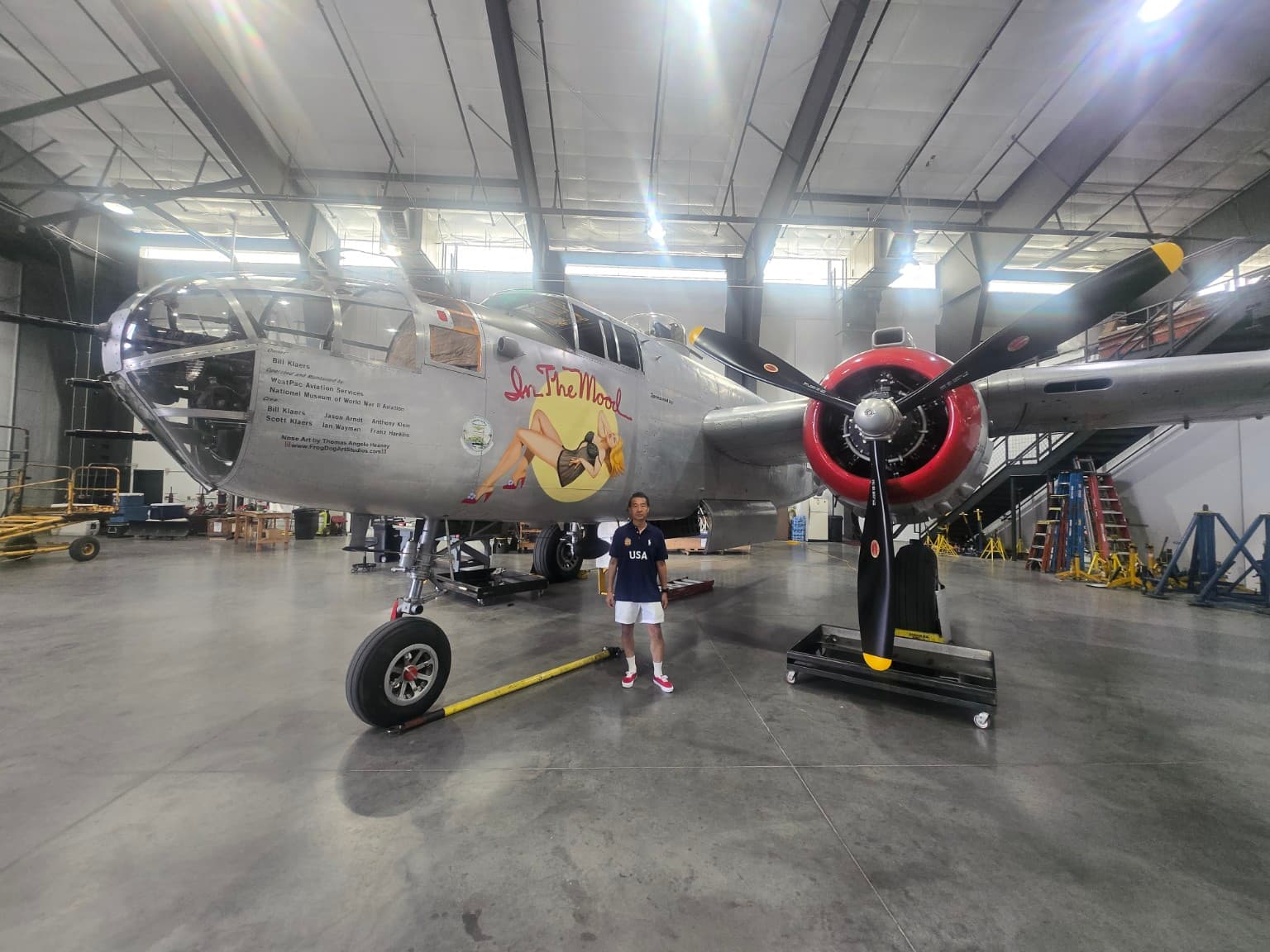
Mike Ye standing beside an aircraft at the National Museum of World War II Aviation in Colorado Springs
Mike Ye 在科罗拉多斯普林斯国家二战航空博物馆。Mike Ye at the National Museum of World War II Aviation in Colorado Springs.
FAMILY REFLECTION · ENGLISH

At the National Museum of World War II Aviation in Colorado Springs, I found myself drawn to the Flying Tigers and to the history of Chinese and American airmen fighting together. At the time, I knew only that something in that history was pulling me closer.

Later, when I read my father’s “Overseas Chinese Airmen Who Defended the Motherland’s Skies,” I finally understood why. He had preserved the stories of overseas Chinese pilots who returned from America and Southeast Asia to fight, and of men who rose into the air even when the odds were terribly uneven.

When I stood beside the aircraft and took this photograph, I did not yet know it would become a thread leading me back to my father’s words. Now I do.

中文译文 · CHINESE TRANSLATION

在科罗拉多斯普林斯的国家二战航空博物馆里,我不由自主地被飞虎队以及中美飞行员并肩抗战的历史吸引。当时,我只知道那段历史在把我拉近,却不知道为什么。

后来,当我读到父亲的《保卫祖国领空的华侨飞行员》,我终于明白了。他保存了那些从美国和南洋回国参战的华侨飞行员的故事,也写下了在敌我力量悬殊时仍然升空迎战的人们。

当我站在飞机旁拍下这张照片时,我还不知道它会成为一条引我回到父亲文字的线索。现在,我知道了。

FAMILY NOTE 02

坐在中间的父亲

The Man in the Middle

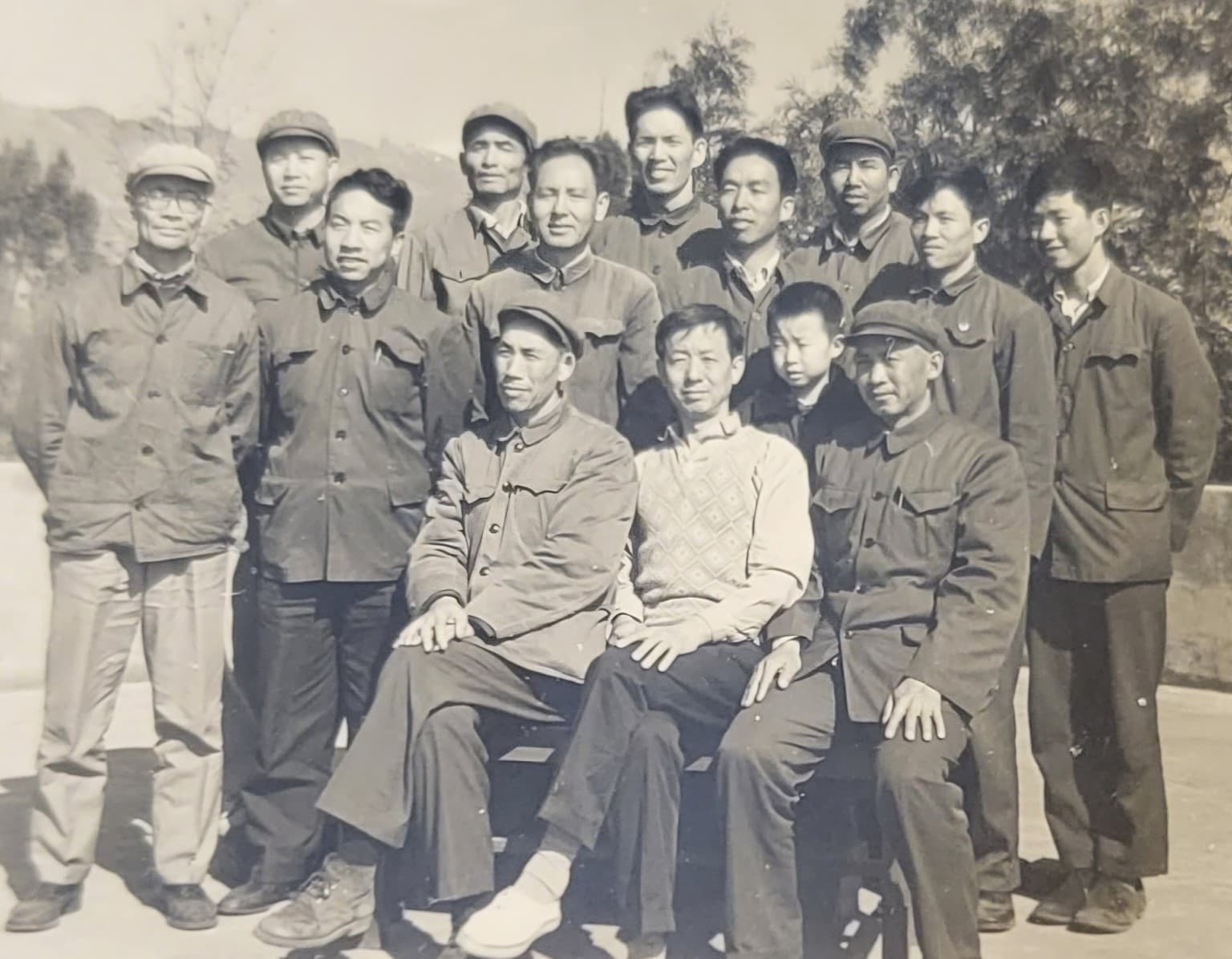
Ye Guozhi seated among his cement-factory coworkers with his young son Mike beside him
父亲因谦逊和真诚而受到同事们的尊重。My dad was respected by his colleagues for his humility and sincerity.
FAMILY REFLECTION · ENGLISH

In this photograph, my father is seated in the middle among his coworkers at the cement factory. I am the little boy tucked against him. At the time, I did not know that I was sitting inside the life that supported me.

As a child, I saw only my father and a group of grown men posing for a photograph. Now I see work clothes and the dignity of people who showed up each day. I see my father not as a man to be measured by what he had on paper, but as a worker whose labor became shelter, education, and possibility for our family.

Some of the years he may have counted as lost were years he spent carrying us forward. He never handed me an invoice for that sacrifice. This photograph does not ask me to repay him. It asks me to see him. The man in the middle was richer in character than I understood then, and the child beside him had no idea how much he was being given.

中文译文 · CHINESE TRANSLATION

这张照片里,父亲坐在水泥厂同事中间。我就是依偎在他身边的那个小男孩。那时候,我不知道,自己正坐在那个托举我长大的生活之中。

小时候,我看到的只是父亲和一群大人合影。现在,我看到的是工装,是每天认真劳作的人们所拥有的尊严。我看到的父亲,不再是一个可以用纸面财富衡量的人,而是一个把自己的劳动变成我们一家人的安身之所、教育和未来可能的人。

有些他也许以为失去的岁月,其实都用来托举我们向前。他从未把这种牺牲当成一张账单交给我。这张照片也不是要我偿还什么,而是让我真正看见他。坐在中间的那个男人,比我当时所懂得的更加富有——富有的是品格;而依偎在他身边的那个孩子,根本不知道自己已经得到了多少。

FAMILY NOTE 03

来到美国的第一天

Our First Day in America

Mike Ye’s parents reunited with extended family on their first day in America, with Mike’s young cousin standing behind them
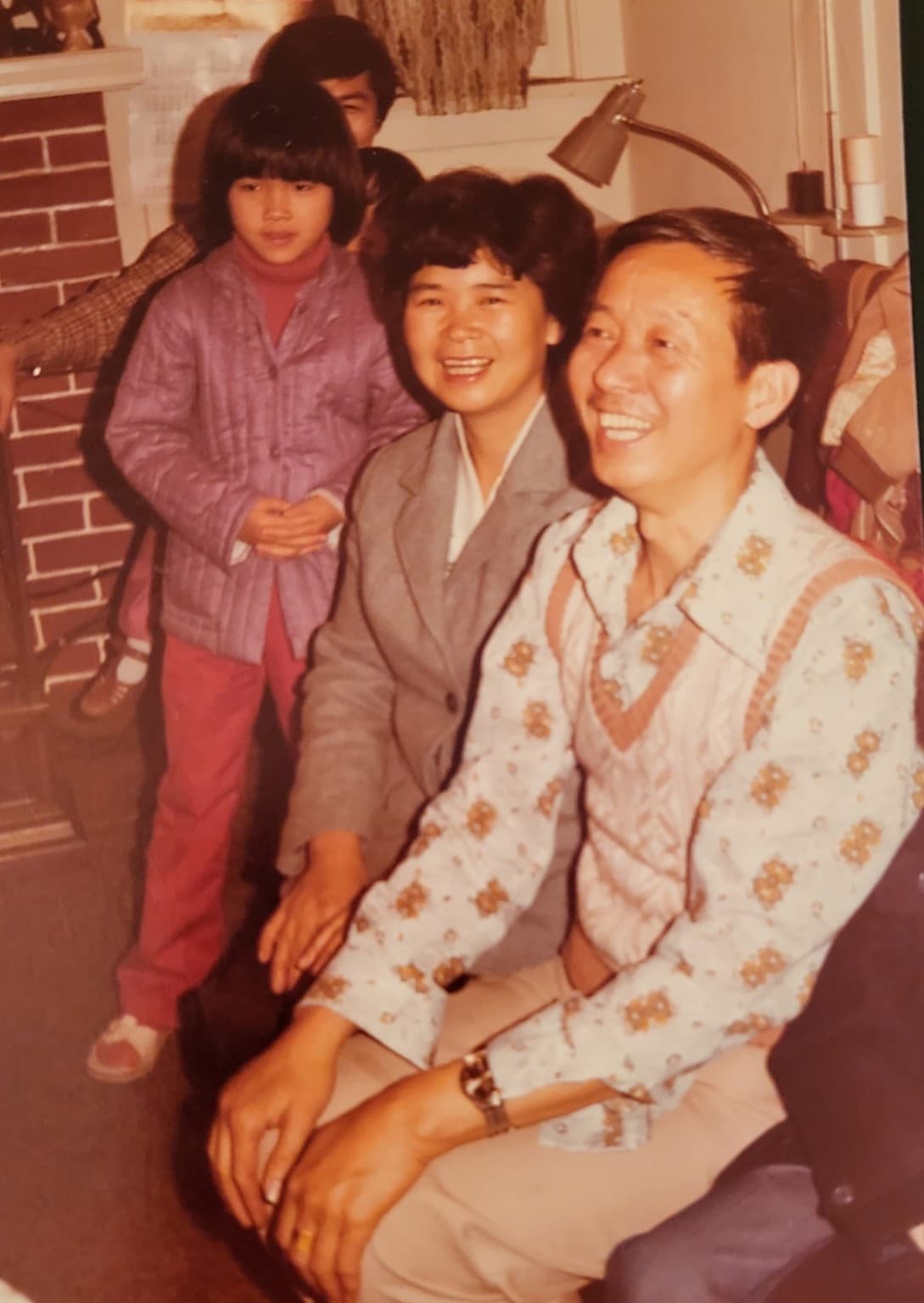
Mike Ye 一家来到美国的第一天。父母与大家庭团聚,一起吃汤圆。站在他们身后的小女孩是 Mike 的表亲,不是他的妹妹。Mike Ye’s parents on the family’s first day in America, reunited with extended family and sharing tangyuan. The little girl standing behind them is Mike’s cousin, not his sister.
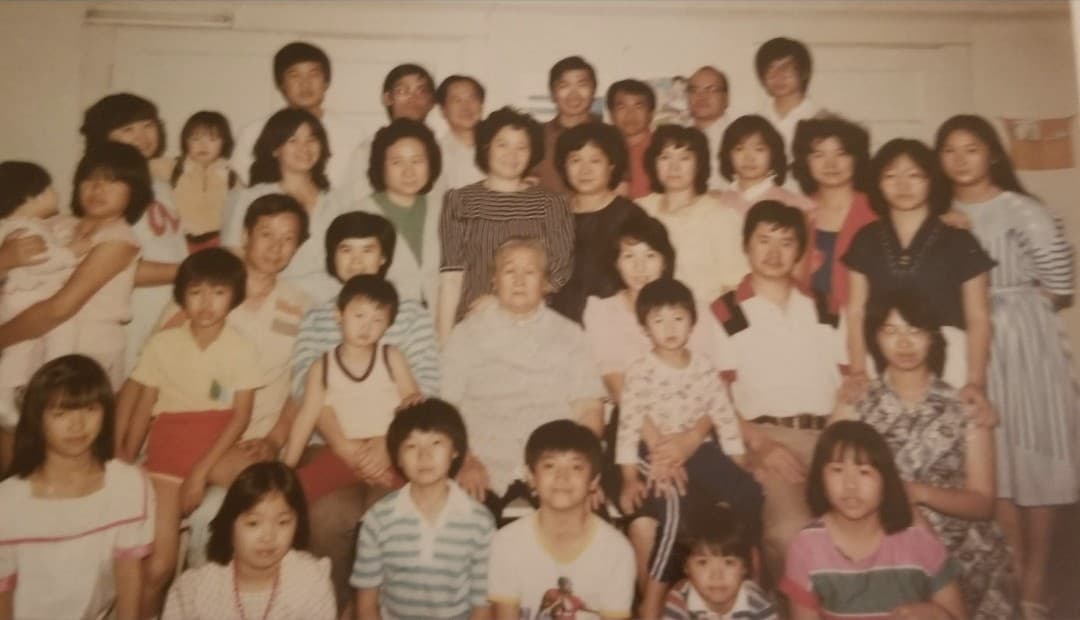
Extended Ye family portrait with Mike Ye’s grandmother seated in the center, surrounded by children and grandchildren, including Mike’s parents and Mike in a blue-striped shirt in front
多年以后,一家人再次团聚。祖母坐在正中间,身边围绕着她的子女和孙辈,包括我的叔伯、姑姨、表亲、父母;前排穿蓝色条纹衣服的小男孩是我。第一张照片记录了抵达美国时的团圆,这张照片保存了那个家庭后来继续生长的样子。Years later, the family gathered again. My grandmother sits at the center, surrounded by her children and grandchildren—including my aunts, uncles, cousins, my parents, and me, the boy in the blue-striped shirt in front. The first photograph records reunion on our arrival in America; this one preserves the family as it continued to grow.
FAMILY REFLECTION · ENGLISH

This was our first day in America. My parents had just been reunited with our extended family, and we ate tangyuan together. The little girl standing behind them is my cousin, not my sister. That detail matters because an archive should preserve not only the feeling of a photograph, but the people in it correctly.

I look at my mother and father now and see them at a threshold. They had carried one life across an ocean, and the years that would follow here—the work, sacrifice, struggle, and the story of our family—had not yet unfolded. Only now, through my father’s writing, am I beginning to understand those years.

But this first photograph in America is not about hardship. It is about reunion. Tangyuan are round, a symbol of family wholeness. On our first day in a new country, before the new life asked anything of them, my parents were surrounded by family and smiling. For that moment, arriving and being together were enough.

中文译文 · CHINESE TRANSLATION

这是我们来到美国的第一天。父母刚刚与大家庭团聚,我们一起吃汤圆。站在他们身后的小女孩是我的一位表亲,不是我的妹妹。这个细节很重要,因为档案不仅要保存照片的情感,也要准确保存照片里的人。

如今再看父母,我看到他们正站在人生的门槛上。他们把过去的生活带过大洋,而后来在美国的岁月——劳动、牺牲、艰难,以及我们一家人的故事——尚未展开。直到今天,我才通过父亲的文字,一点点理解那些年月。

但这张来到美国第一天的照片,并不讲艰辛,而是讲团聚。汤圆是圆的,象征一家团圆。来到新国家的第一天,在新的生活向他们提出任何要求之前,父母被亲人围绕,脸上带着笑。就在那个时刻,抵达与团聚已经足够。

FAMILY NOTE 04

他带到工作中的尊严

The Pride He Brought to Work

Ye Guozhi with his family at a picnic held by the oil-services company where he worked
在石油服务公司的野餐会上,父亲脸上洋溢着一个劳动者安静而踏实的自豪。他的工作养活了家人,也帮助我们在美国建立了新的生活。《我与工会》写下了那份工作的不安定;这张照片留下了他面对生活时的尊严。At his oil-services company picnic, my dad beamed with the quiet pride of a man whose work supported his family and helped us build a life in America. “Me and the Union” remembers how uncertain that work could be; this photograph preserves the dignity he brought to it.
FAMILY REFLECTION · ENGLISH

This photograph was taken at a company picnic held by the oil-services company where my father worked. Our family is gathered around him, but what I notice first is his smile.

In “Me and the Union,” my father wrote candidly about the hope he placed in union work, the dues he paid, the layoffs, and the uncertainty that followed him from one job to another. He did not romanticize labor. He knew what it meant for a family’s livelihood to depend on forces beyond one worker’s control.

But here, at the company picnic, he is beaming. The photograph reminds me that work was never only hardship to him. It was also responsibility, belonging, and the quiet pride of knowing that his labor helped us build a life in America.

中文译文 · CHINESE TRANSLATION

这张照片拍摄于父亲任职的石油服务公司举办的野餐会。我们一家人围绕在他身边,但我首先看到的,是他的笑容。

在《我与工会》中,父亲坦率地写下了他对工会工作的期待、缴纳的会费、遭遇的裁员,以及从一份工作到另一份工作始终伴随他的不安定。他没有把劳动浪漫化。他懂得,当一家人的生计取决于一个普通工人无法控制的力量时,那意味着什么。

但在这场公司野餐会上,他笑得那么灿烂。这张照片提醒我,工作之于父亲,从来不只是艰辛,也是责任、归属,以及知道自己的劳动正在帮助家人在美国建立生活时,那份安静而踏实的自豪。

FAMILY NOTE 05

一双袜子背后的温情

The Tenderness Behind a Pair of Socks

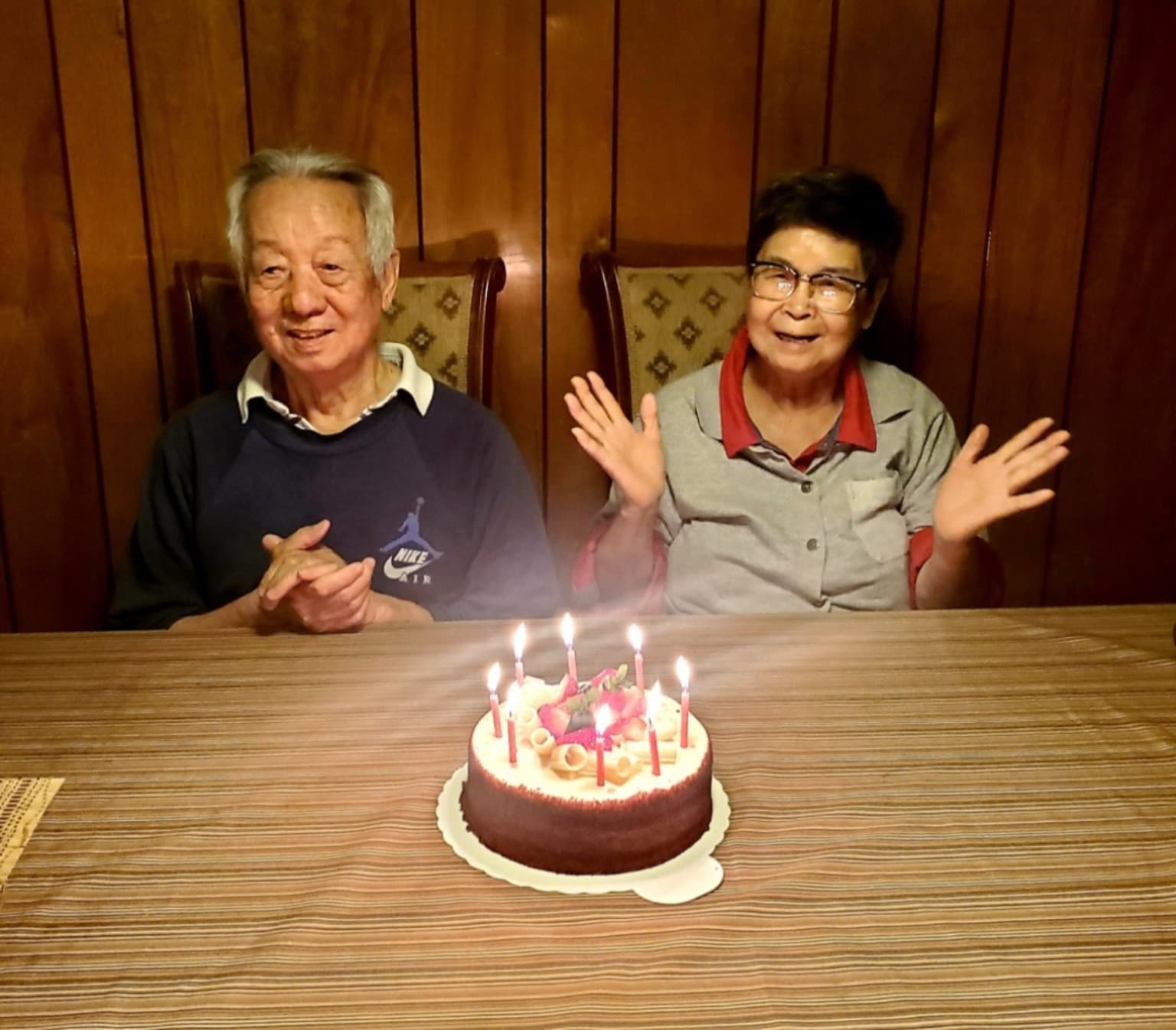
Ye Guozhi and his wife seated behind a birthday cake at his birthday celebration
父母在父亲的生日庆祝中相伴而坐。在《袜子的联想》里,父亲说不清新袜子的柔软究竟来自质料,还是来自母亲的一片爱心。这张照片保存了那句话背后的温情。My parents together at his birthday celebration. In “Reflections on Socks,” my father wondered whether his new socks felt so soft because of their quality—or because they carried my mother’s love. This photograph holds the tenderness behind that line.
FAMILY REFLECTION · ENGLISH

This photograph shows my parents together at my father’s birthday celebration. Years of shared hardship had already passed between them, but what remains here is joy: a cake, candlelight, and my mother’s open hands.

In “Reflections on Socks,” my father remembered receiving a bundle of new socks from my mother for his birthday. Having lived through years when socks were patched again and again, he marveled at their softness and wondered whether it came from the material or from his wife’s love.

That question was really his answer. The comfort was not only in the socks. It was in being known, cared for, and loved by the woman who had walked beside him through those years.

中文译文 · CHINESE TRANSLATION

这张照片里,父母在父亲的生日庆祝中相伴而坐。他们已经共同走过了许多艰难岁月,而照片留下的却是喜悦:蛋糕、烛光,以及母亲张开的双手。

在《袜子的联想》中,父亲记起母亲在他生日时送给他一捆新袜子。经历过袜子补了又补的年月,他惊叹于新袜子的柔软,却说不清那份柔软究竟来自质料,还是来自妻子的一片爱心。

他的疑问,其实已经是答案。那份舒适不仅来自袜子,也来自被理解、被照顾,以及被那位陪伴他走过漫长岁月的妻子所爱。

FAMILY NOTE 06

归来所承载的

What the Return Held

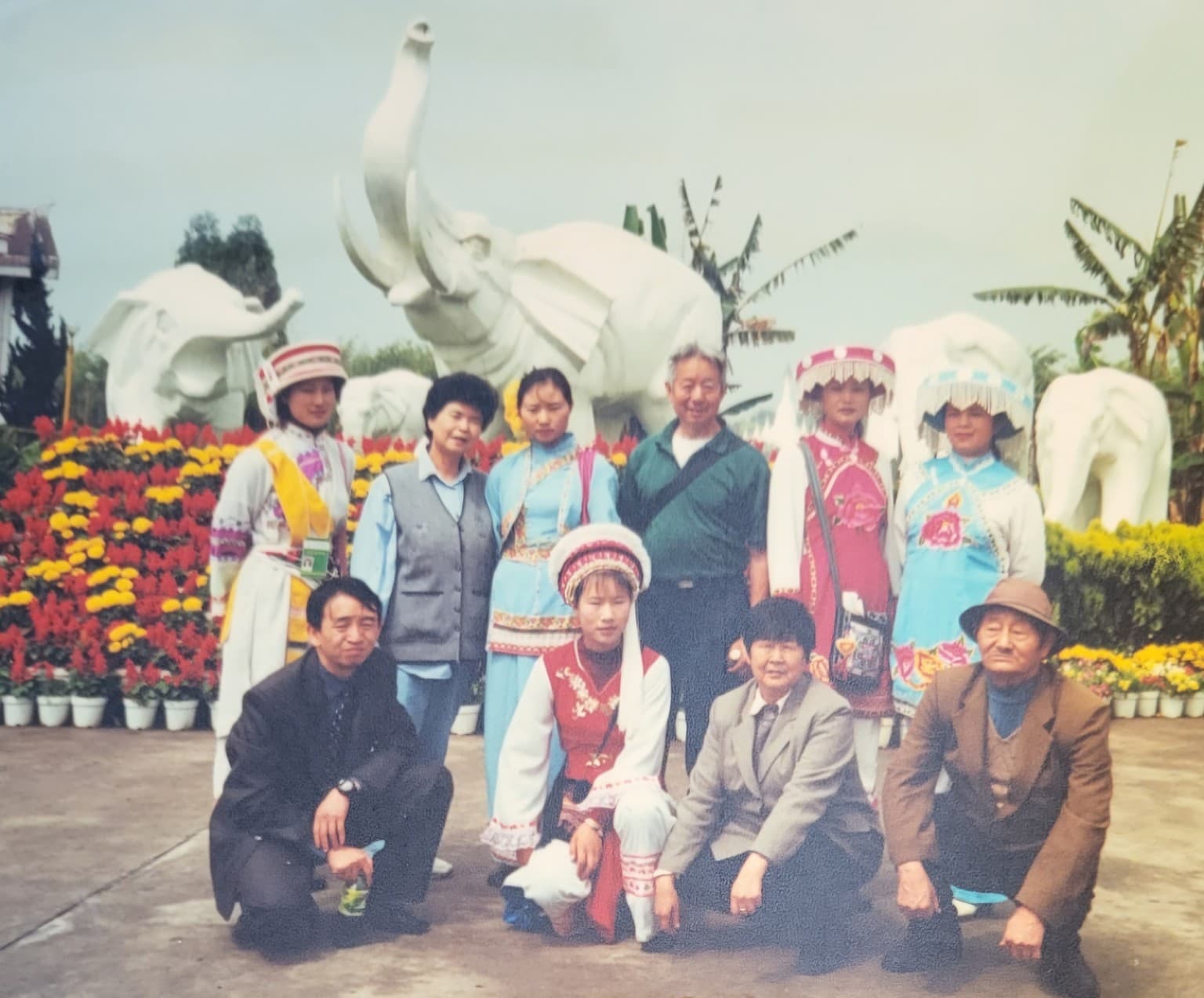
Ye Guozhi and his wife on a return visit to Kunming with people in traditional dress from one of Yunnan’s ethnic minority communities and family members, including Mike’s fourth aunt—his mother’s sister—and Mike’s cousins in front
重返昆明时,父亲和母亲站在后排,与身着云南少数民族传统服饰的人们合影。前排是母亲的姐妹——我的四姨——和我的表亲们。《两次回国 两种感受》写下了春城的巨大变化;这张照片保存的,则是那次归来中的亲情与团聚。On a return visit to Kunming, my dad and mom stand in the back with people in the traditional dress of one of Yunnan’s ethnic minority communities. In front are my mother’s sister—my fourth aunt—and my cousins. “Two Trips Back to China, Two Different Impressions” records how much the Spring City had changed; this photograph preserves the family reunion within that return.
FAMILY REFLECTION · ENGLISH

This photograph was taken during one of my parents’ return visits to Kunming. My father and mother stand in the back. In front are my mother’s sister—my fourth aunt—and my cousins. With them are people in the traditional dress of one of Yunnan’s ethnic minority communities.

In “Two Trips Back to China, Two Different Impressions,” my father wrote about returning to Kunming after twenty years away. He set that visit beside my mother’s return in 1962, during years of scarcity, and recorded how completely the Spring City had changed.

What the article preserves as history, this photograph makes intimate. Returning was not only about new streets, prosperity, or the passage of time. It was also about standing again beside family and within the place that carried their memories. The city had transformed, but kinship still gathered them together.

中文译文 · CHINESE TRANSLATION

这张照片拍摄于父母的一次昆明归乡之旅。父亲和母亲站在后排。前排是母亲的姐妹——我的四姨——和我的表亲们。与他们一起合影的,还有身着云南一支少数民族传统服饰的人们。

在《两次回国 两种感受》中,父亲写到自己离开二十年后重返昆明。他把这次回国与母亲一九六二年在困难时期的归国经历相对照,记录了春城翻天覆地的变化。

文章保存的是历史的对照,而这张照片让那段历史变得亲切而具体。归来不仅意味着看见新的街道、繁荣和岁月的流逝,也意味着重新站在亲人身边,回到承载他们记忆的地方。城市已经改变,亲情仍把他们团聚在一起。

FAMILY NOTE 07

父亲笔下的“山姆妈妈”

The Woman He Called “Sam’s Mom”

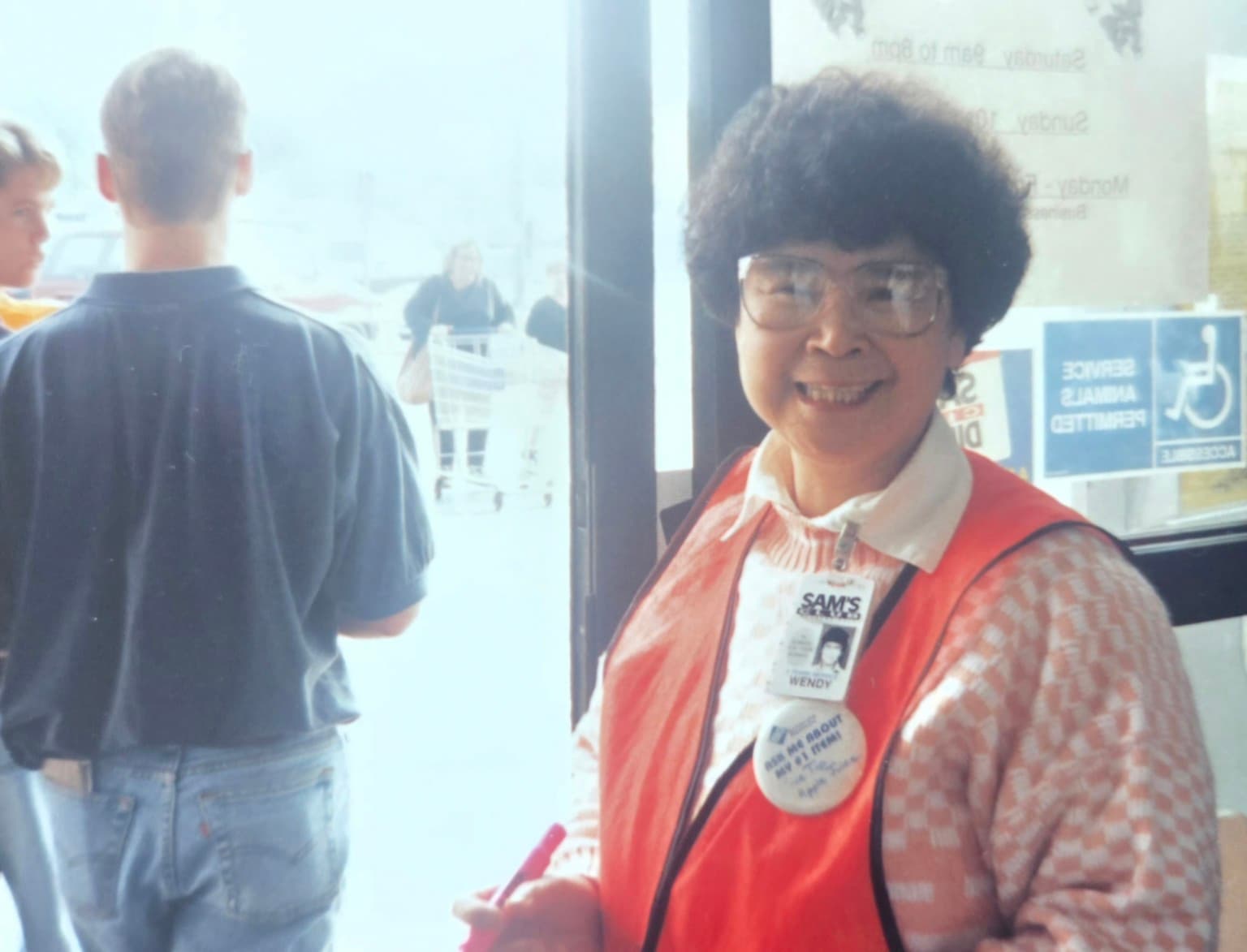
Wendy Ye smiling at a Sam’s Club entrance in her work vest and name badge
我的母亲 Wendy 在 Sam’s Club 工作时留影。父亲在《山姆妈妈》中写下她十五年迎来送往的岁月,也写下她以诚恳、坚韧和温暖赢得顾客信任的过程。My mother, Wendy, during her years at Sam’s Club. In “Sam’s Mom,” my father honored her fifteen years of welcoming customers—and the sincerity, perseverance, and warmth through which she earned their trust.
FAMILY REFLECTION · ENGLISH

This is my mother, Wendy, at Sam’s Club. Her name badge makes the woman in my father’s story visible: the immigrant worker who rose before dawn, changed buses several times, endured unstable jobs, and studied English after work before finally earning a place at the company.

My father did not write “Sam’s Mom” as a grand tribute. He built it from the details of her working life: eight hours on her feet, swollen legs, difficult customers met with patience, and rules upheld with courtesy. Over fifteen years, children grew into young adults before her eyes, and customers from many backgrounds came to greet her as someone familiar. “Sam’s Mom” was not merely a nickname. It was a form of affection she had earned.

What moves me most is the tenderness of my father’s attention. He saw the labor behind her smile and understood what that smile cost. This photograph preserves the warmth customers encountered at the door; his writing preserves the courage, discipline, and sacrifice that made it possible.

中文译文 · CHINESE TRANSLATION

这是我的母亲 Wendy 在 Sam’s Club 工作时的留影。她胸前的名牌,让父亲文章中的那位女性变得可见:一个天不亮就起床、每天转乘几趟巴士、经历多份不稳定工作,又在下班后赶去学习英语的移民劳动者;她终于凭自己的坚持,赢得了这份工作。

父亲没有用宏大的语言赞颂“山姆妈妈”,而是用她劳动生活中的细节来写她:每天站立八小时,双脚僵直发肿;面对刁难仍耐心相待;在亲切微笑中坚持原则。十五年间,孩子在她眼前长成青年,不同族裔的顾客都把她当作熟悉的亲人。“山姆妈妈”不只是一个称呼,而是她用岁月赢得的亲爱。

最打动我的,是父亲观察母亲时那份温柔。他看见了笑容背后的劳动,也懂得那笑容付出了什么。这张照片保存了顾客在门口遇见的温暖;父亲的文字,则保存了支撑那份温暖的勇气、自律与牺牲。

FAMILY NOTE 08

画面之外的家人

The Family Outside the Frame

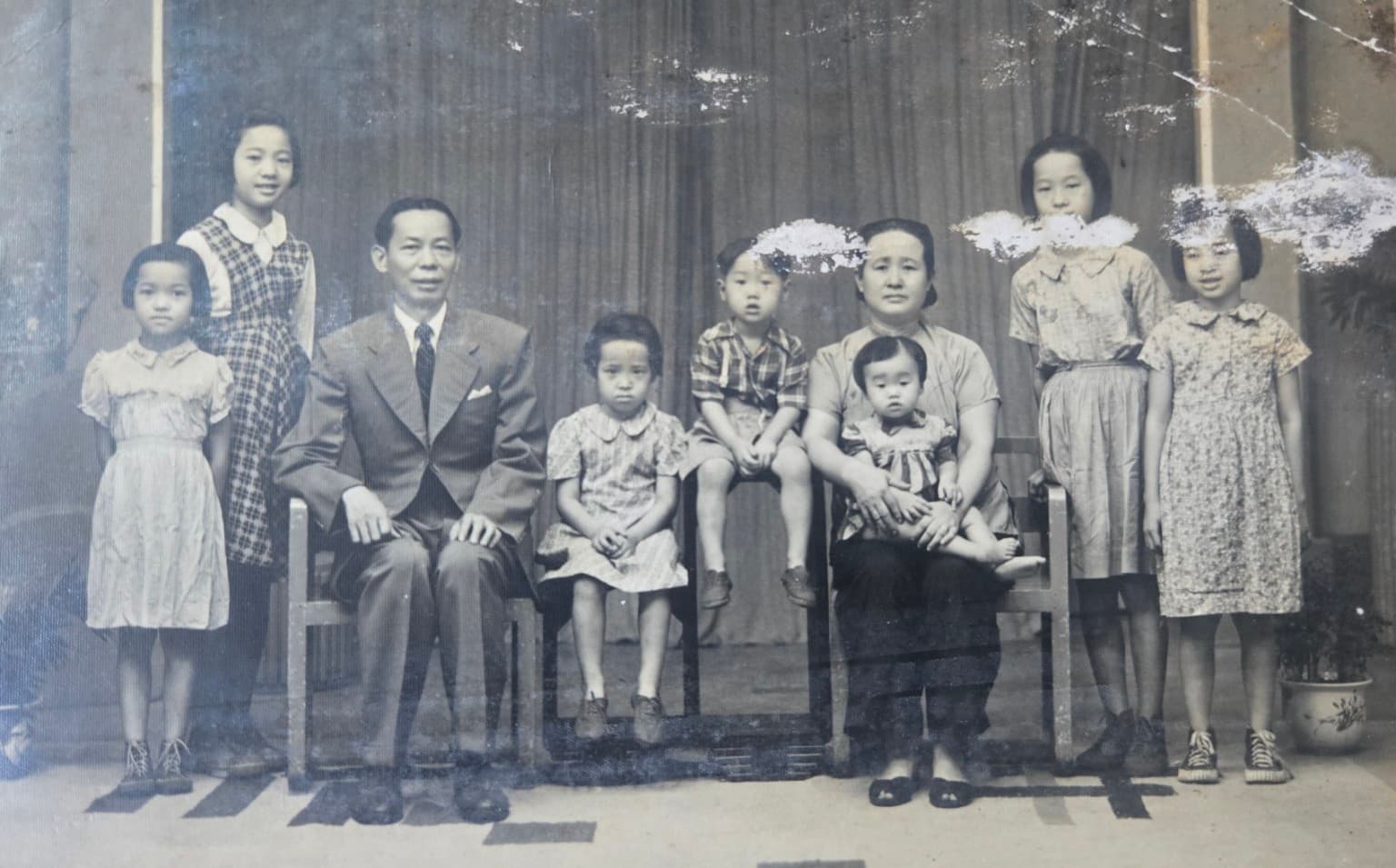
Ye Guozhi’s parents with six of his sisters and his brother; Ye Guozhi and his oldest sister had already left home when the photograph was taken
我的祖父母与父亲的六位姐妹和一位弟弟。拍照时,父亲和他的大姐已经离开了家。《回国寻梦》写下了父亲的远行,也写下祖父为成全他的前途而承担的一切;这张照片保存了他身后那个家——以及画面中看不见的离别。My grandparents with six of my father’s sisters and his brother. By the time this photograph was taken, my father and his oldest sister had already left home. “Returning Home in Search of a Dream” records my father’s departure and all my grandfather carried so that his son could pursue a future; this photograph preserves the family left behind—and the separation outside the frame.
FAMILY REFLECTION · ENGLISH

This photograph shows my grandfather and grandmother with six of my aunts and my uncle. My father and his oldest sister had already left home. Their absence matters: the photograph preserves not only the family gathered before the camera, but also the separation that had already begun.

In “Returning Home in Search of a Dream,” my father remembered leaving Rangoon in 1949 to study in China. My grandfather supported the journey, borrowing 500 rupees and piecing together the money for passage. After my father left, the debt and the work of sustaining the family remained. My grandfather labored day and night until illness took him in 1955, before father and son could ever meet again.

My father wrote that he owed his father far too much. Looking at this photograph, I understand more clearly what stood behind those words: parents carrying a large family, siblings growing up through separation, and a son whose future was purchased through labor he could never repay. The family outside the frame was never outside his heart.

中文译文 · CHINESE TRANSLATION

这张照片里,是我的祖父母、父亲的六位姐妹和一位弟弟。拍照时,父亲和他的大姐已经离开了家。他们的缺席同样重要:照片不仅保存了镜头前团聚的家人,也保存了已经开始的离别。

在《回国寻梦》中,父亲回忆一九四九年离开仰光、回国求学。祖父支持他远行,借了五百卢比,又东凑西凑买下船票。父亲离开后,债务和养家的重担仍留在祖父肩上。祖父日夜劳作,直至积劳成疾,于一九五五年去世;父子再也没能相见。

父亲写道,他欠父亲的太多太多了。如今看着这张照片,我更明白这句话背后是什么:抚养一大家人的父母,在离别中长大的兄弟姐妹,以及一个由父辈劳动与牺牲托举出来、却永远无法亲自偿还的儿子。画面之外的家人,从未离开过他的心。