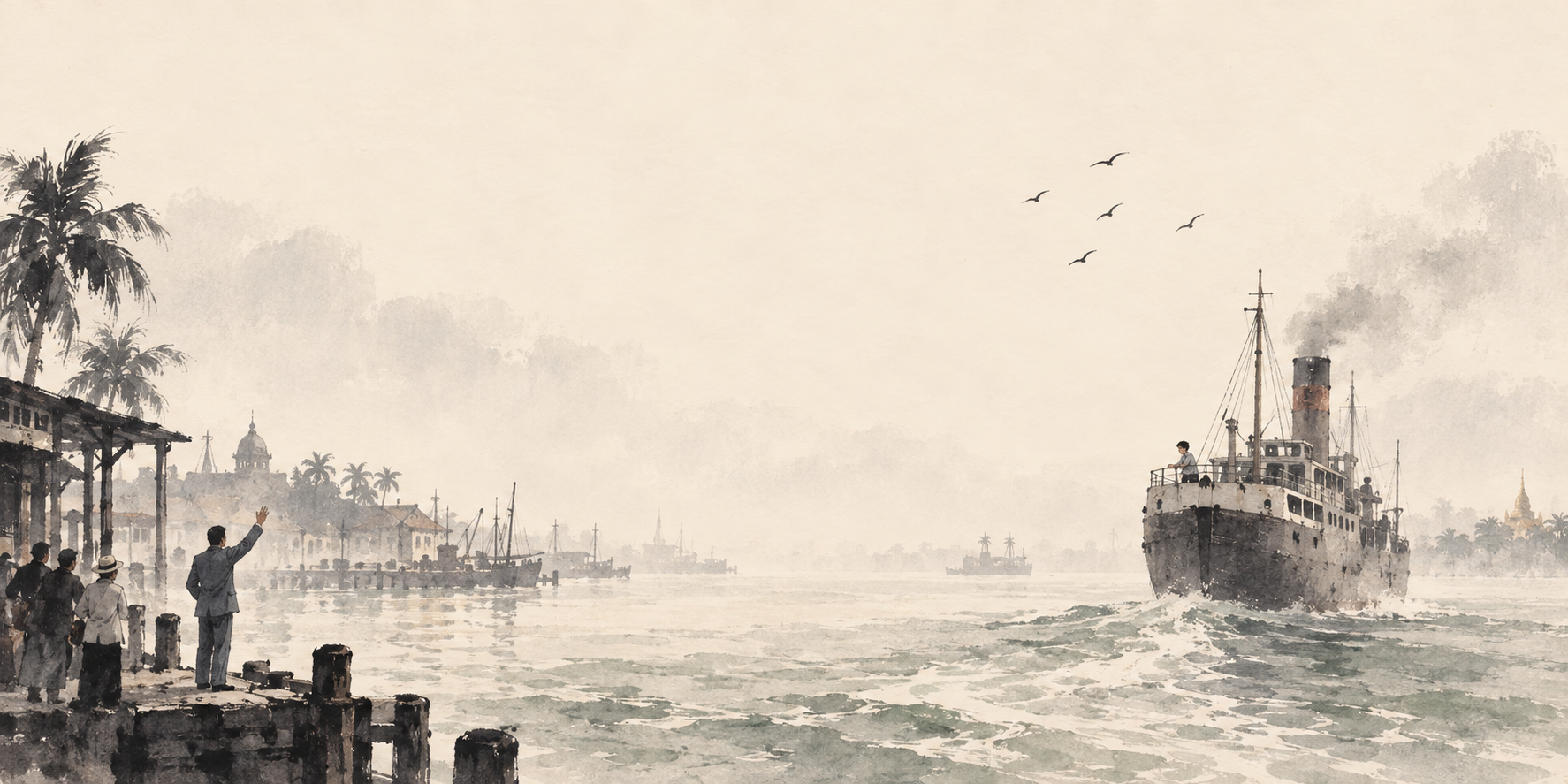
“母亲十分热爱自己的儿女,可是她并不自私,不愿他们留在自己身边误了前程。”
“Mother loved her children deeply, but she was not selfish. She did not want to keep them beside her if doing so would cost them their future.”
The Ye Guozhi Archive
一个人横跨缅甸、中国与美国的一生,
由他自己的文字保存下来。
A life across Burma, China, and America—preserved through his own words.
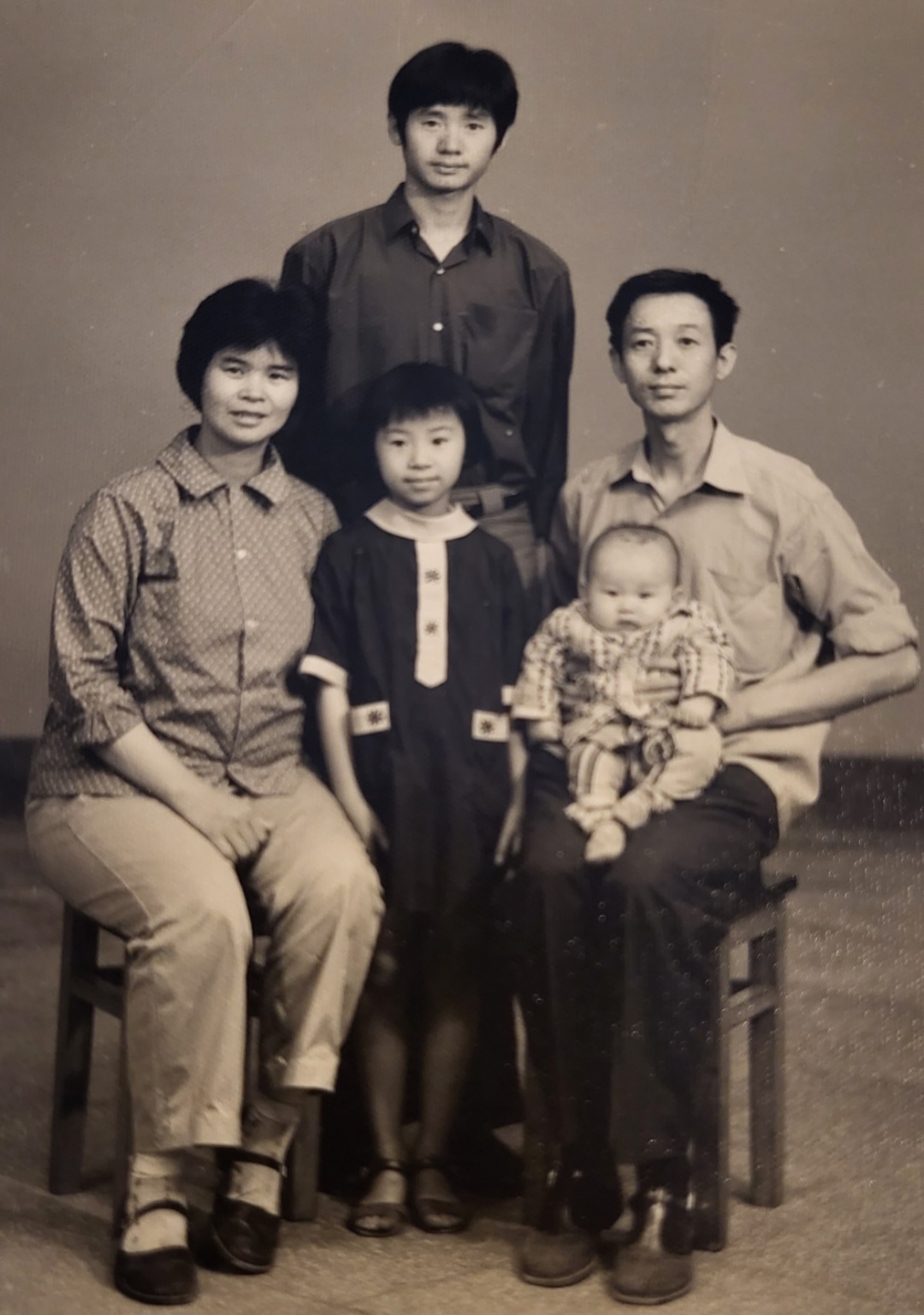
叶国治六岁迁居缅甸,经历战争与逃难,1949年回到中国求学,后来参军、进入工厂,改革开放后移民美国。 他的文字不是远观历史,而是在历史之中生活、劳动、爱人和养育家庭留下的现场记录。
一代人用牺牲让下一代走得更远。这个文库保存叶国治的声音,也保存那些塑造了他一生的人留下的痕迹。
Ye Guozhi moved to Burma at six, lived through war and displacement, returned to China in 1949, and later immigrated to the United States. His writings record history from within—through work, family, migration, and the sacrifices that allowed the next generation to travel farther.
AI 创作插画,取意于叶国治 《回国寻梦》AI-created illustration inspired by George Ye’s memoir · Read the story
“Mother loved her children deeply, but she was not selfish. She did not want to keep them beside her if doing so would cost them their future.”
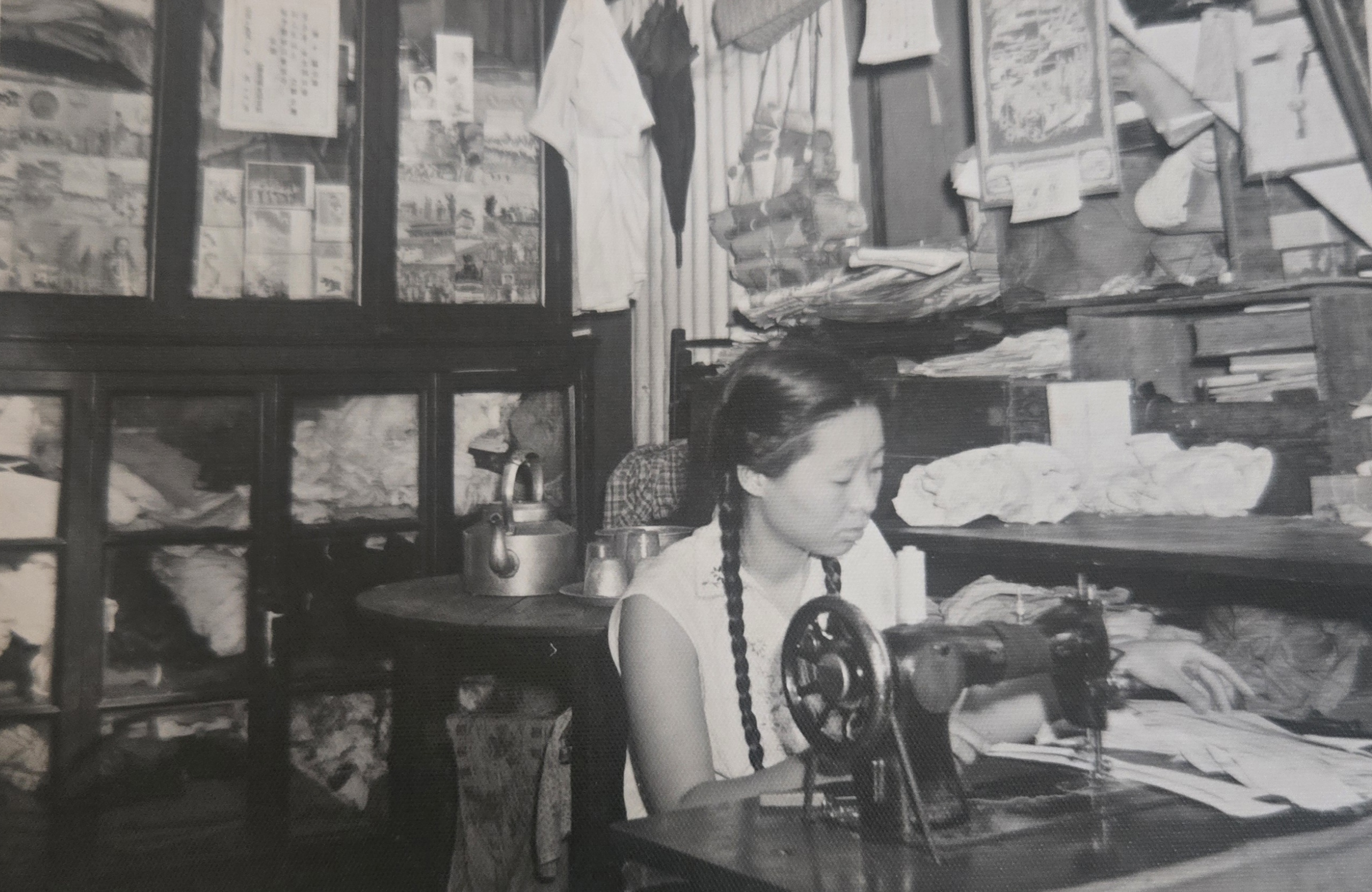
“Watching him concentrate on the keyboard of his laptop, his old father felt a kind of comfort—and a joy that made sleep difficult.”
“The little grass had come back. So calm. Smiling at me.”
华侨飞行员、战时流亡与抗日记忆。
仰光、侨校、战乱与缅华社会的亲历记录。
教育者、侨领与普通人的生命故事。
南方生活、工厂记忆与时代变迁。
移民美国后的劳动、家庭与文化碰撞。
写给母亲、儿童、土地与和平的诗。
三次跨国迁徙,横跨一生。每一段路都留下了文字。
Three countries across one lifetime. Each passage left a written record.
出生在侨乡,父亲已在缅甸谋生。
Born in Taishan, Guangdong, while his father worked in Burma.
童年、侨校、战争与逃难。
Moved to Burma: childhood, Chinese school, war, and displacement.
离开仰光回国求学,之后经历军队、工厂与建设年代。
Returned to China to study, then served in the military and worked in a factory.
基层劳动、家庭生活与退休后的持续写作。
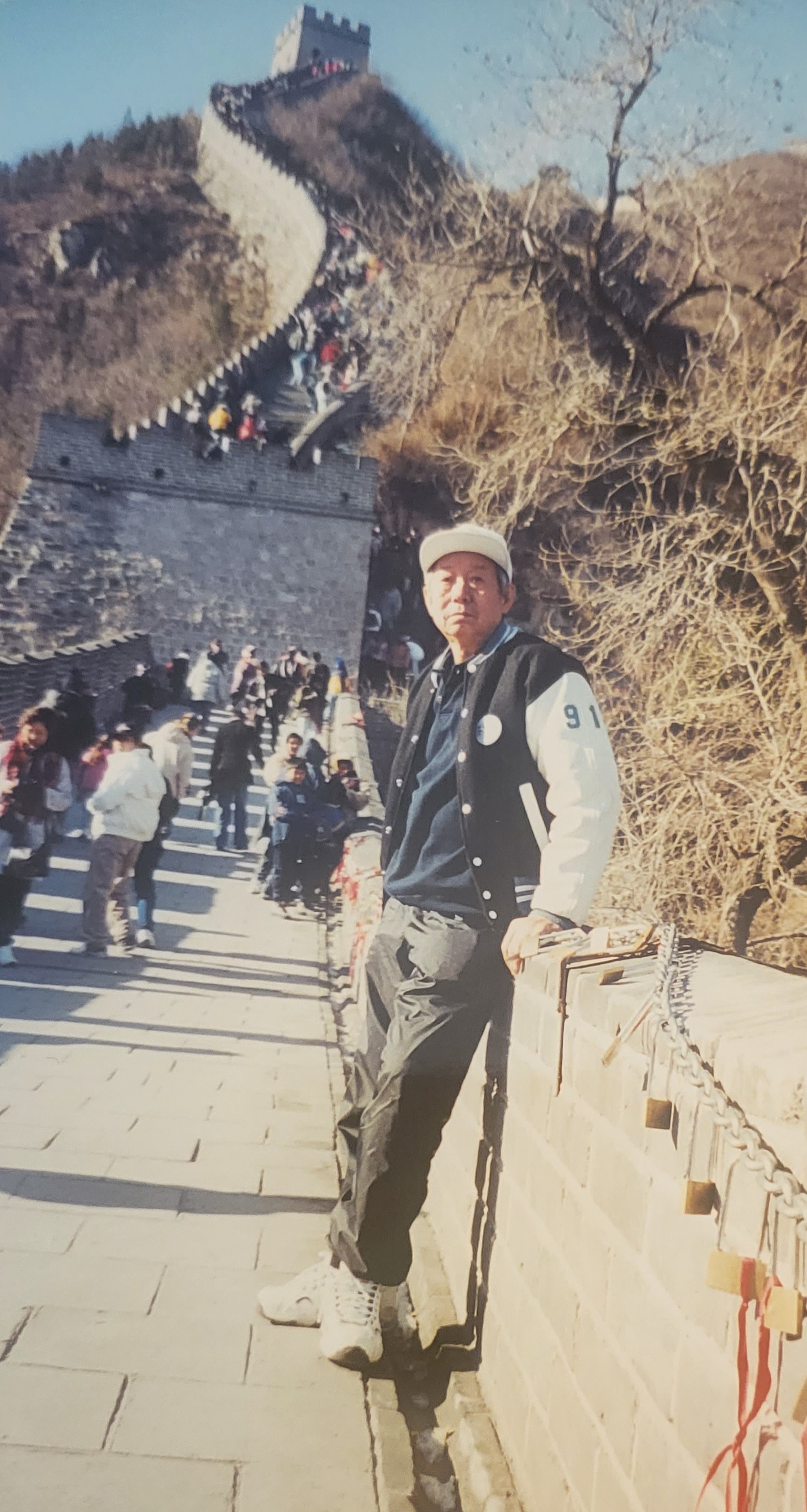
Immigrated to the United States, supporting his family through working life and continuing to write in retirement.
2022年3月27日逝世,留下跨越缅甸、中国与美国的文字记录。
Died in the United States on March 27, leaving a record that spans Burma, China, and America.
中文逐字稿是规范文本。保留原文、方言、时代用语与作者节奏,不用现代编辑覆盖他的声音。
英文译本扩大阅读范围,却不替代中文原文。两种语言始终保持清楚的来源关系。
人物、地点、时间与家庭记忆作为独立语境层存在,不与叶国治本人文字混为一体。
The Chinese transcription remains canonical. English translation opens a bridge to new readers without replacing the original, while historical and family context remains clearly separate from Ye Guozhi’s own words.